
Help Write the Next Chapter
A chapter with more room for safety, more support to move forward and more hope for what comes next.
With the purchase of a third property, My Friend’s House has the opportunity to expand emergency shelter capacity, offer enhanced second-staging housing and bring programs and services together within a stronger continuum of care.
It is the most significant expansion in our history, and it comes at a moment when the need for safe spaces has never felt more urgent.
Now, we’re inviting you to help us write it.
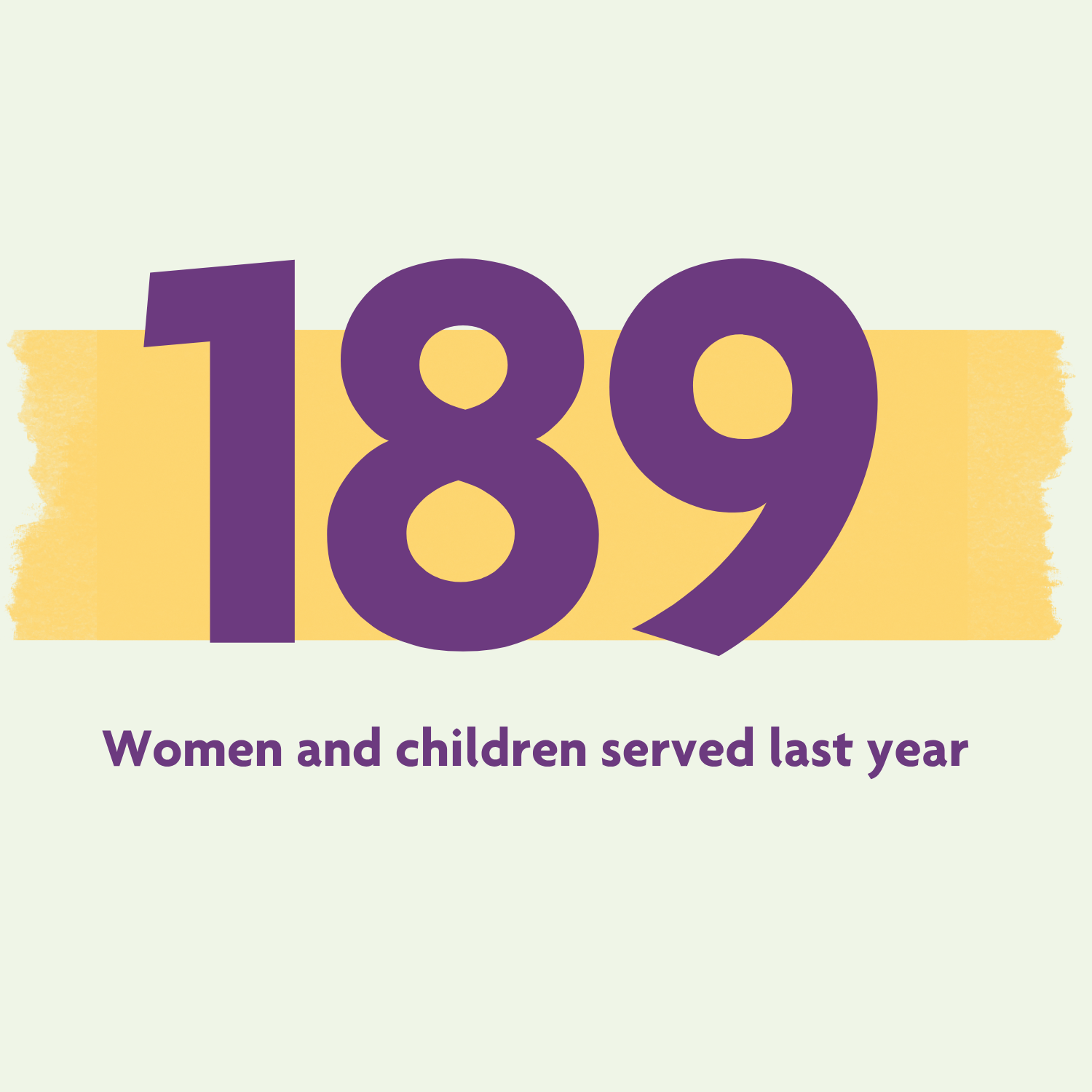
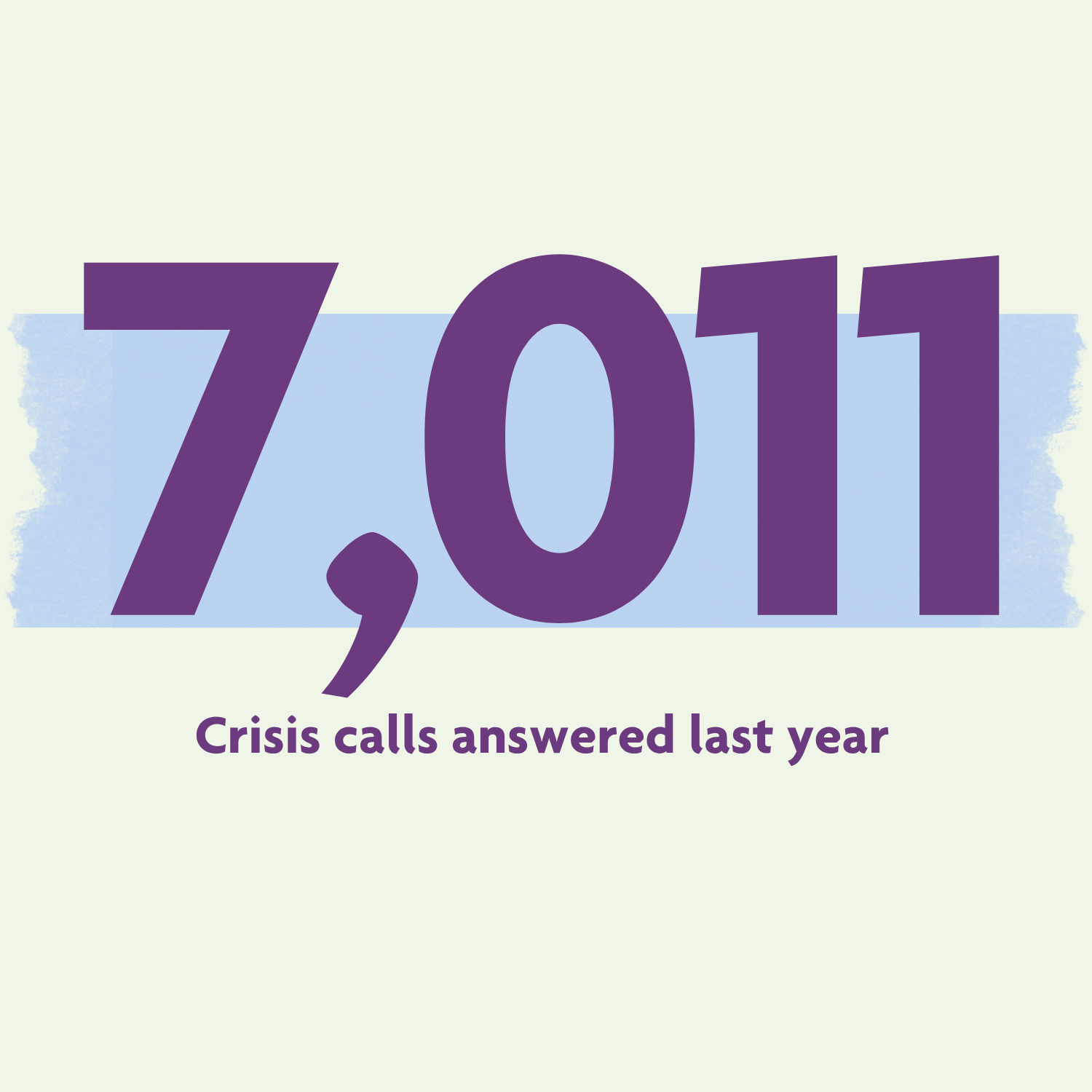
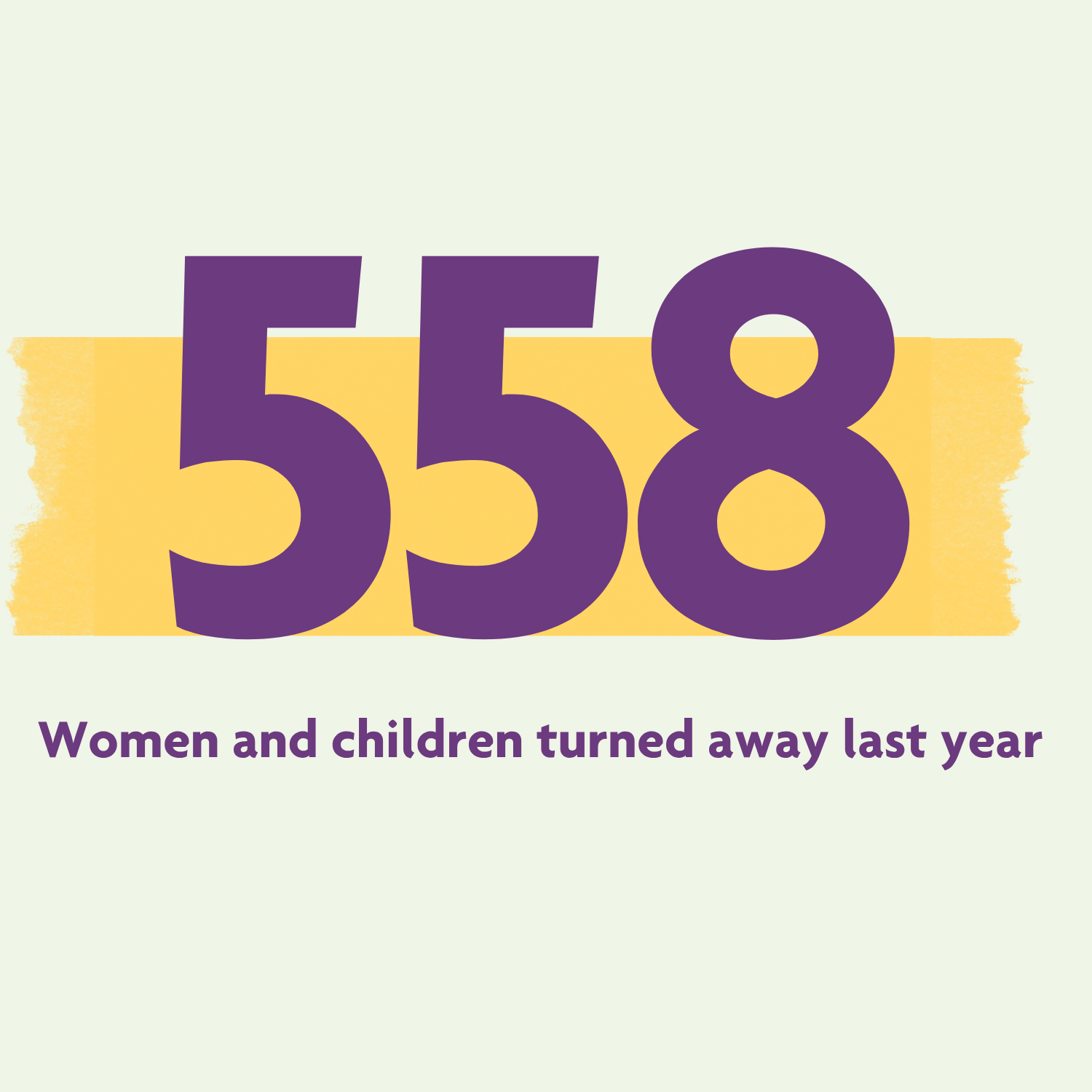
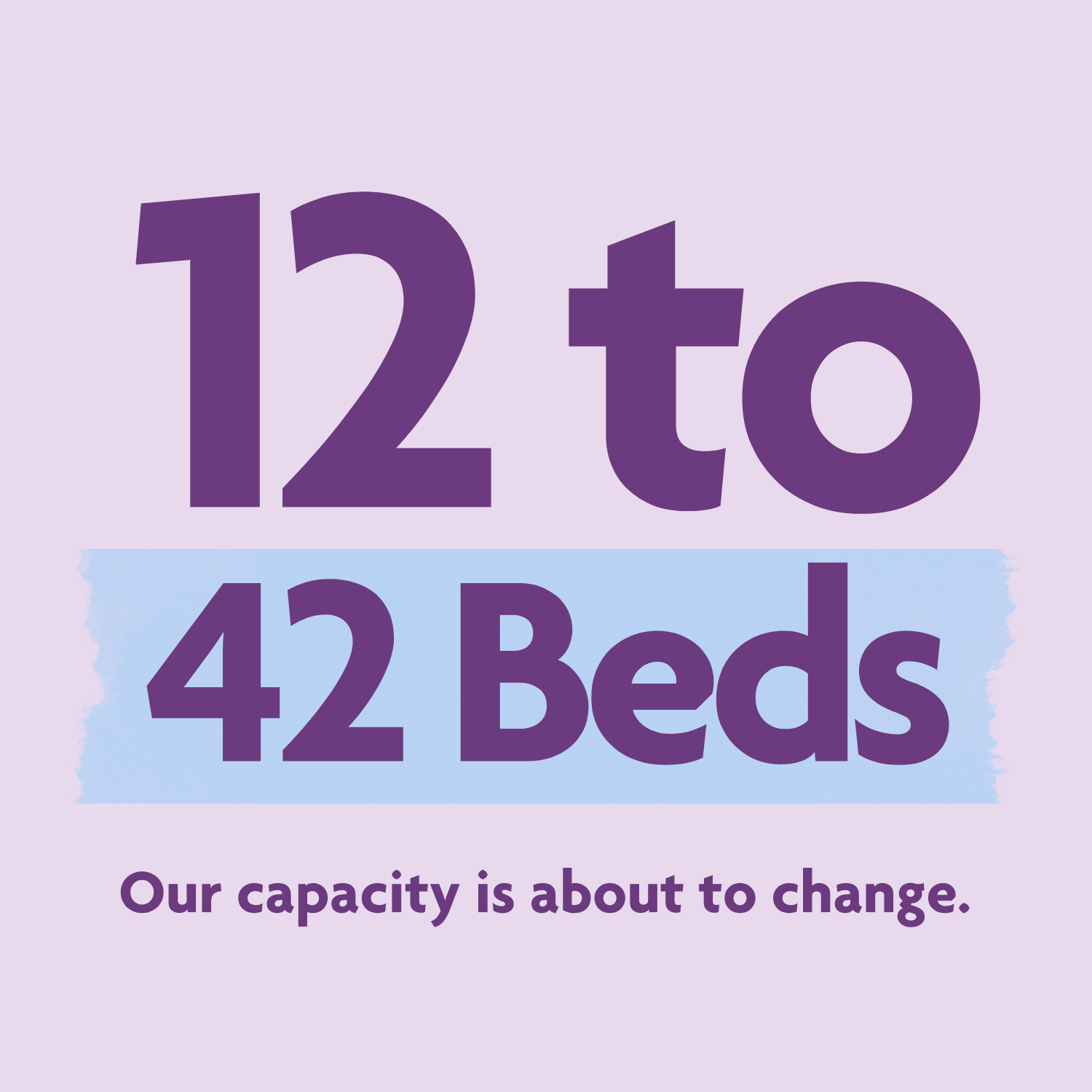
Behind every number is a woman or child seeking safety, stability, and the opportunity to move forward. As the need for our services continues to grow, so must our ability to respond with compassion, dignity, and care.
This next chapter will create more room for safety, more access to essential support, and more opportunities for hope and healing when they are needed most. It will help ensure that women and children in our community have a safe place to turn and the resources they need to begin rebuilding their lives.
We are not only writing the next chapter for My Friend’s House. We are helping the women and children we serve find the safety, strength, and support to write their own.
She is the One in Three
She could be your sister. Your best friend. A colleague. You.
One in three women will experience abuse in her lifetime.
And what she needs most right now – is courage. Courage to break the cycle that never seems to stop.
Courage to take that first step towards safety.
At My Friend’s House, women and their children find more than shelter. They find hope, healing and a path forward.
A place where fear turns into strength, silence becomes a voice, and the next chapter can begin.
You can be the one who shows her the way forward. The one who reminds her she is not alone as she turns the page and begins her next chapter.
Help Write the Next Chapter. Give Courage.

When Leah had the courage to call, she feared for her life – and she was ready to leave.
For two years, Leah had been living in fear of her live-in boyfriend and had become increasingly isolated. With no family nearby to rely on, she felt she had nowhere to turn. She quietly waited for a moment when it was safe to reach out, knowing that making the call and leaving - could put her at even greater risk.
She had waited for a safe moment to make the call. She had packed what she could carry and was looking for a place where she could begin again.
But every one of our 12 crisis beds were full.
Knowing Leah had no family to help her, our crisis counsellor stayed on the phone with Leah, helped her consider her immediate safety, and connected her with the resources that were available. But we could not offer what she needed most: a safe place to stay.
Leah’s situation is not unusual. Too often, women and children reach out at a critical moment, only to learn that there is no room.
That is where our next chapter begins.
By expanding our capacity from 12 beds to 42 across crisis and second-stage housing, we will be able to welcome more women and children when they are ready to take their first step toward safety.
Because when the next woman calls, we want to be able to say:
Yes. Your next chapter can begin here.
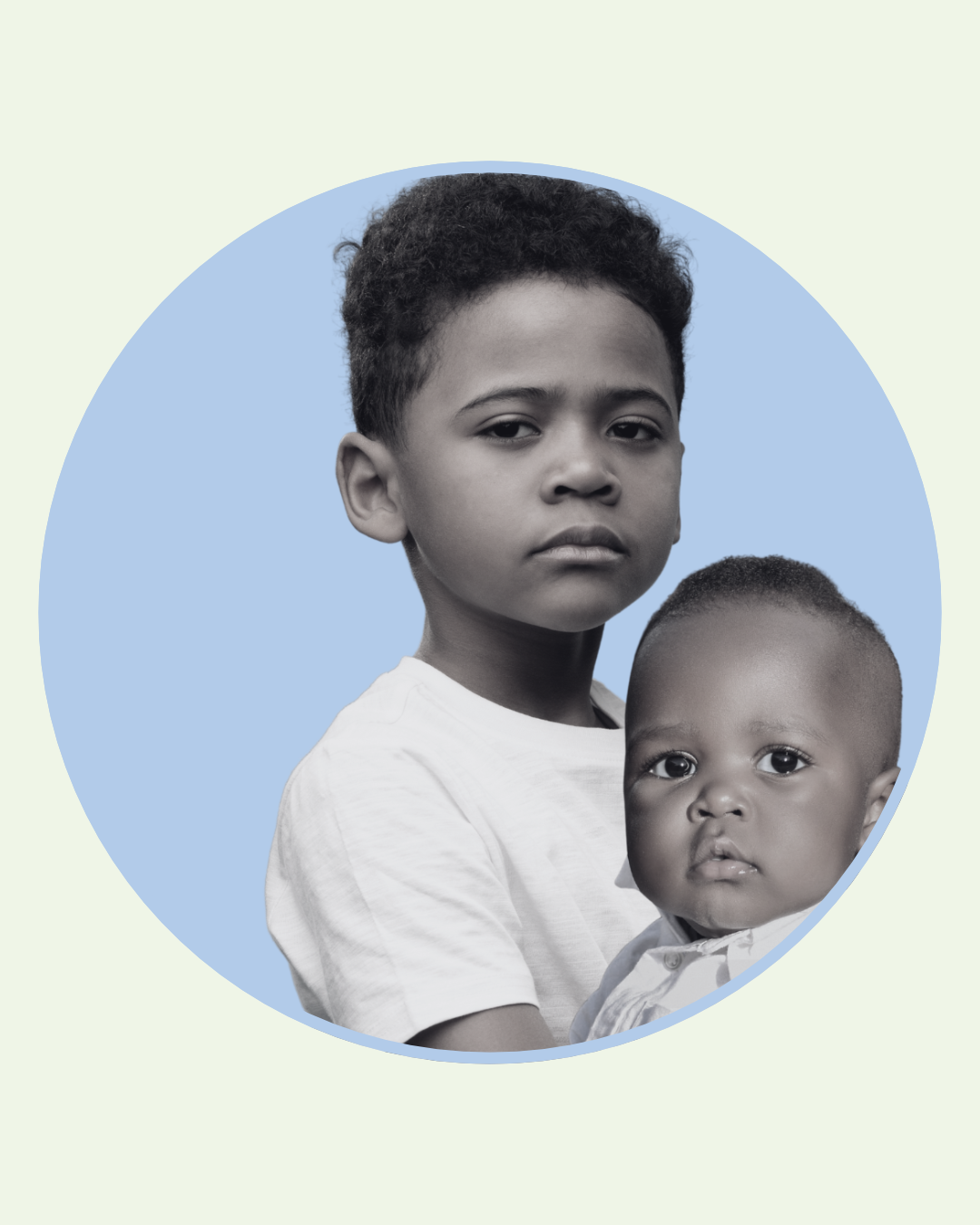
Before coming to My Friend’s House, Anna and her children, two-year-old Milo, and five-year-old Luca – lived in a physically abusive home. Over time, she became isolated and lost confidence in her decisions. When the situation escalated and she no longer felt safe staying in her home, Anna made the difficult decision to leave with Milo and Luca.
When they arrived at My Friend’s House, Anna needed somewhere she and her children could feel protected and begin to process what they had experienced. In those first days, we watched her begin to breathe a little easier. As the immediate crisis eased, she slowly started to rebuild her confidence, imagine a future for herself, Milo, Luca, and make plans for what could come next. But safe, affordable housing was difficult to find. Through second-stage housing, we could offer Anna, Milo and Luca more than a temporary place to stay.
We could give Anna time. Time to heal from the emotional harm she had experienced, rebuild trust in herself, find part-time remote work, and search for permanent housing without being rushed. With continued support and a stable place to live, we watched her take each step at a pace that felt manageable, making her own decisions and reclaiming a sense of control over her life. Most importantly, she no longer had to choose between homelessness and returning to the situation she had worked so hard to leave.
Anna and her children had the safety and stability they needed to keep moving forward and begin writing their next chapter.
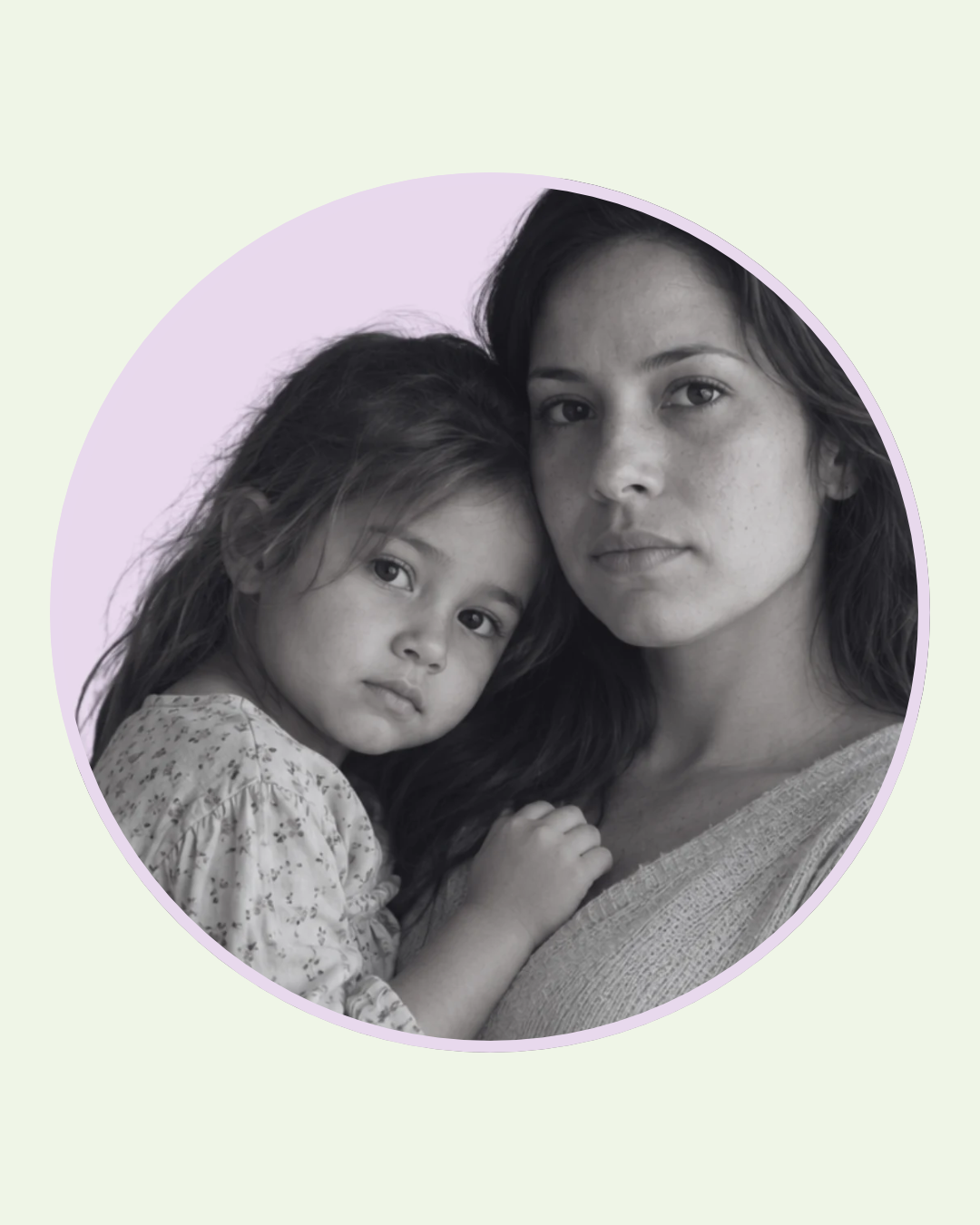
When Emma called My Friend’s House, she spoke quietly. Her young daughter, Eve, was asleep nearby, and she was worried about being overheard.
For months, Emma had been trying to keep life feeling normal for Eve while living with increasing control, intimidation and fear at home. She carefully planned everyday decisions—what she said, where she went and how she spent money—hoping to avoid another confrontation.
That evening, Emma realized that staying was no longer an option. She waited until she could safely make the call, then reached out to My Friend’s House.
A crisis counsellor answered.
Emma was not pressured to make an immediate decision. She was listened to, believed and supported as she considered what she and her child needed to be safe. Together, they discussed her immediate circumstances, explored available options and began creating a safety plan based on the choices Emma felt were right for her and Eve.
When Emma and her daughter arrived at the shelter, they carried only a few belongings. What they found was a safe place to stay, practical support and the time to take their next steps.
In the days that followed, Emma began working toward the future she chose. She connected with community resources, explored housing options and started rebuilding the financial and practical stability that abuse had taken from her. Eve returned to familiar routines within a safer environment.
Emma did not need someone to write her story for her. She needed safety, support and room to begin writing what came next.
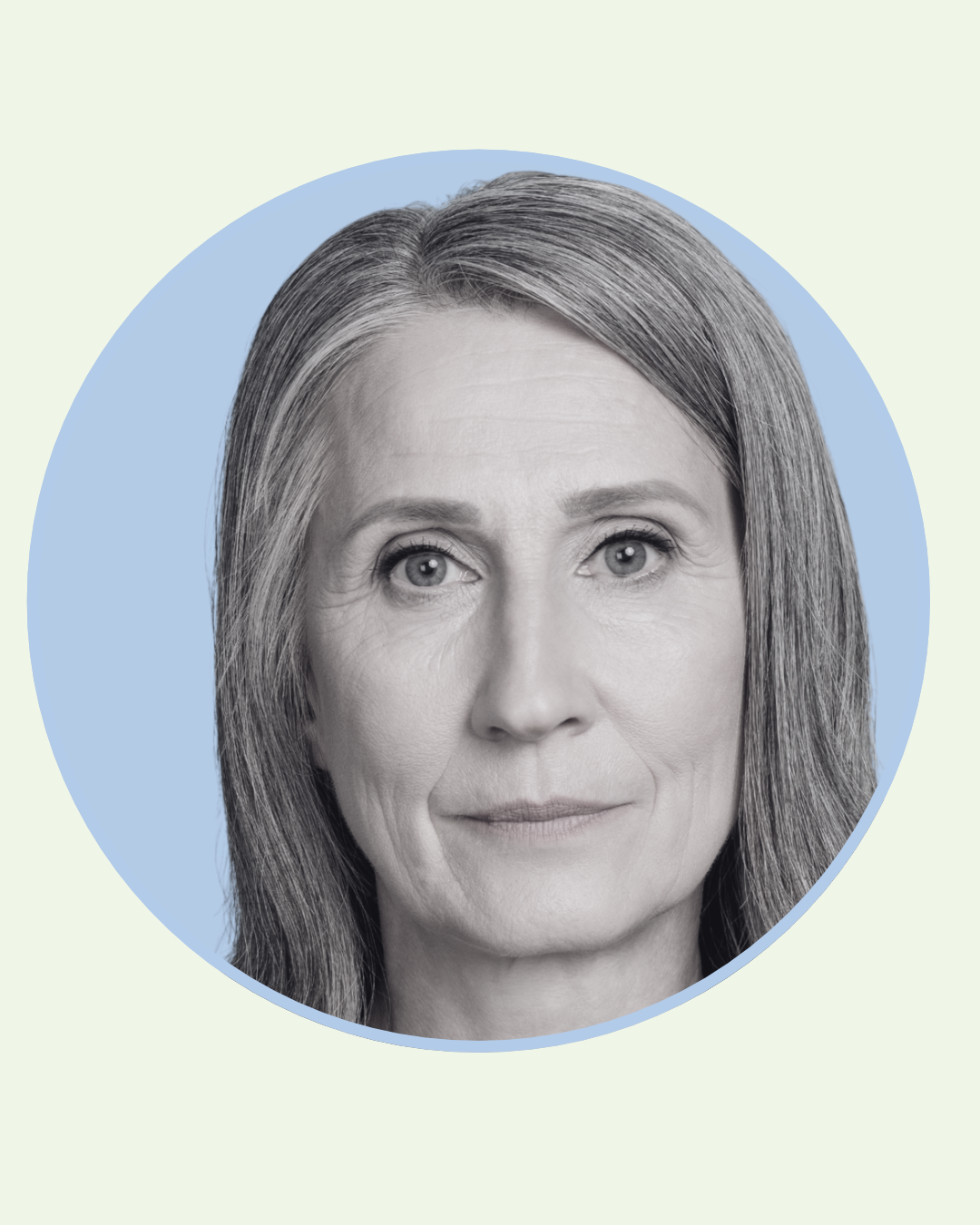
When Rachel arrived at My Friend’s House, she was in crisis.
She was injured, overwhelmed, exhausted, and unsure what the next few hours would bring. After living in an unsafe and unpredictable situation, she had reached a point where staying was no longer possible. Leaving had taken tremendous courage, but once she was through our doors, the weight of everything she had endured began to surface.
Our team focused on what Rachel needed most: safety, rest, and the reassurance that she did not have to face the crisis alone. There was no pressure to have every answer. With support close by, she could begin taking one step at a time and making decisions at a pace that felt manageable.
After a couple weeks, Rachel started sleeping more soundly. The fear that had followed her began to ease, and she found the space to think beyond the immediate crisis. As she stabilized, she began rebuilding trust in herself and imagining a future where safety was not temporary.
When Rachel moved into House of Hope, she entered a new stage of her journey. She had a place of her own within a supportive community. A space where she could close the door, exhale, and begin building daily routines that belonged to her. The move gave her more time to heal while she worked toward permanent housing and greater independence.
With each decision she made for herself, Rachel’s confidence grew. Independence did not arrive in one dramatic moment. It appeared in small but meaningful ways: preparing a meal in her own kitchen, keeping an appointment, creating a budget, and making plans without fear shaping every choice. House of Hope gave her the stability to live on her own while knowing support was still available when she needed it.
Rachel’s next chapter is about safety, stability and possibility. Her journey is not over, but she is no longer making decisions from a place of crisis. She is building a life guided by her own choices and hopes for the future. House of Hope is more than housing. It is the bridge between surviving an unsafe situation and beginning to live independently again.